Company
NVision Quantum Technologies, LLC
NVision is revolutionizing quantum technology at the molecular level. The Ulm-based company develops organic molecules whose quantum properties are specifically tailored for particular applications. In this way, NVision creates novel technology platforms for quantum sensing, quantum-enhanced imaging, and scalable quantum computing.
With POLARIS, NVision has already successfully brought this approach to market. The system uses quantum hyperpolarization to amplify the MRI signal from metabolic molecules by more than 10,000 times. This makes metabolic processes visible in real time using conventional MRI scanners, without ionizing radiation. POLARIS is already being used by leading research centers worldwide and opens up new possibilities for biomedical research, drug development, and precision oncology.
With PIQC, NVision is applying this approach to scalable quantum computing. For the first time, specially developed organic molecules combine a long-lived quantum memory with a native optical interface in a single molecular quantum system. These molecular quantum nodes can be integrated directly into photonic chips and interconnected via photons. In parallel, NVision is developing molecular quantum sensors for high-precision measurements, including applications in the semiconductor industry and navigation.
From imaging technologies already on the market to scalable quantum computers, NVision shifts the complexity of quantum technologies from hardware to custom-designed molecules, thereby creating powerful, scalable quantum systems for real-world applications.
Services
- Amplification of MRI signals from selected metabolic molecules by more than 10,000-fold for real-time metabolic imaging. This makes it possible to visualize biological and disease-related processes, as well as the response to therapies, in preclinical research and, in the future, in humans—noninvasively and without ionizing radiation.
- Scalable Quantum Computing Development of chemically tailored organic quantum systems that combine long-lived quantum memories with a native optical interface and are directly integrated into photonic chips, as the foundation for a modular, scalable, and fault-tolerant quantum computing architecture.
- Quantum Sensing Development of chemically tunable organic molecules that are stable at room temperature as a scalable platform for high-precision quantum sensors in a wide range of industrial and technological applications.


Activities
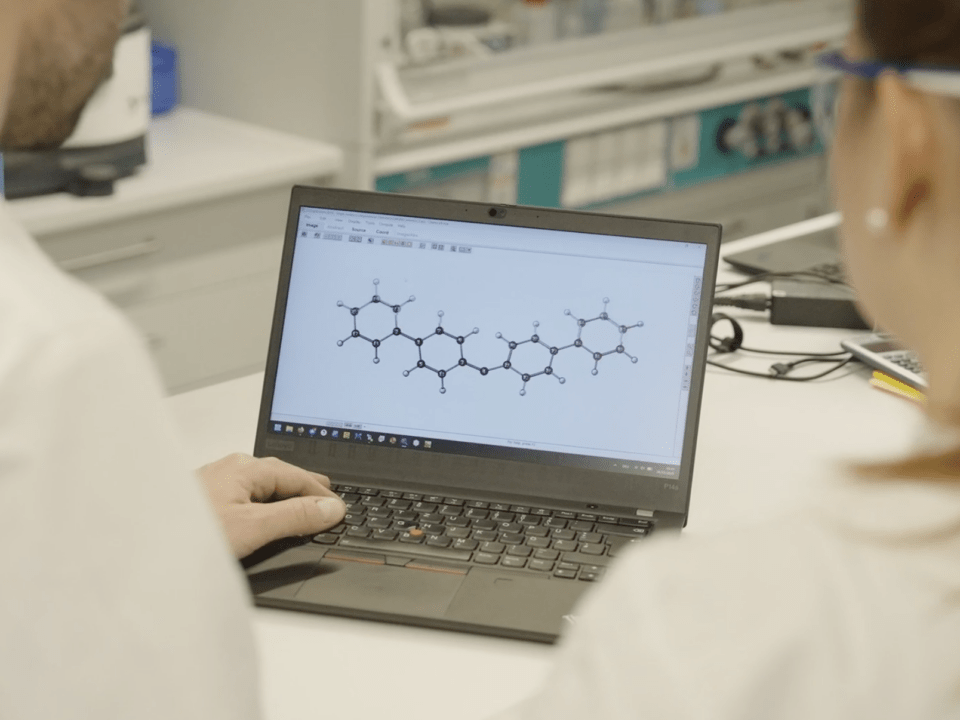
Scalable quantum computing based on organic molecules
PIQC — Molecular-Photonics Quantum Computing
PIQC combines chemically designable organic quantum systems with photonic chip technology. The molecules combine long-lived quantum memories with a native optical interface and can be directly integrated into photonic circuits. This results in a modular, scalable architecture for fault-tolerant quantum computing, in which photons serve as the link between the molecular quantum systems.
Get more information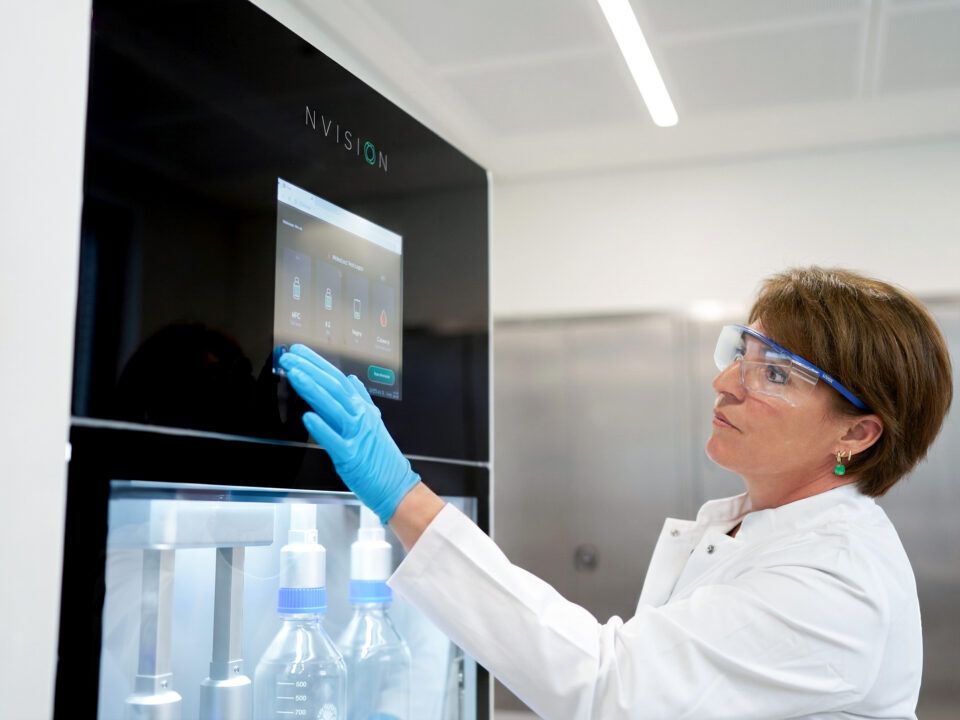
Quantum-Enhanced Imaging
POLARIS — Visualizing Metabolic Processes in Real Time
POLARIS amplifies the MRI signals of selected metabolic molecules by more than 10,000 times, making metabolic processes and their changes visible in real time. Researchers can use this to investigate disease mechanisms, detect the effects of new therapies at an early stage, and evaluate drug candidates more thoroughly. In oncology in particular, the technology can contribute to more precise diagnostics, more targeted biopsies, and well-informed treatment decisions.
Get more informationDiscover More Content
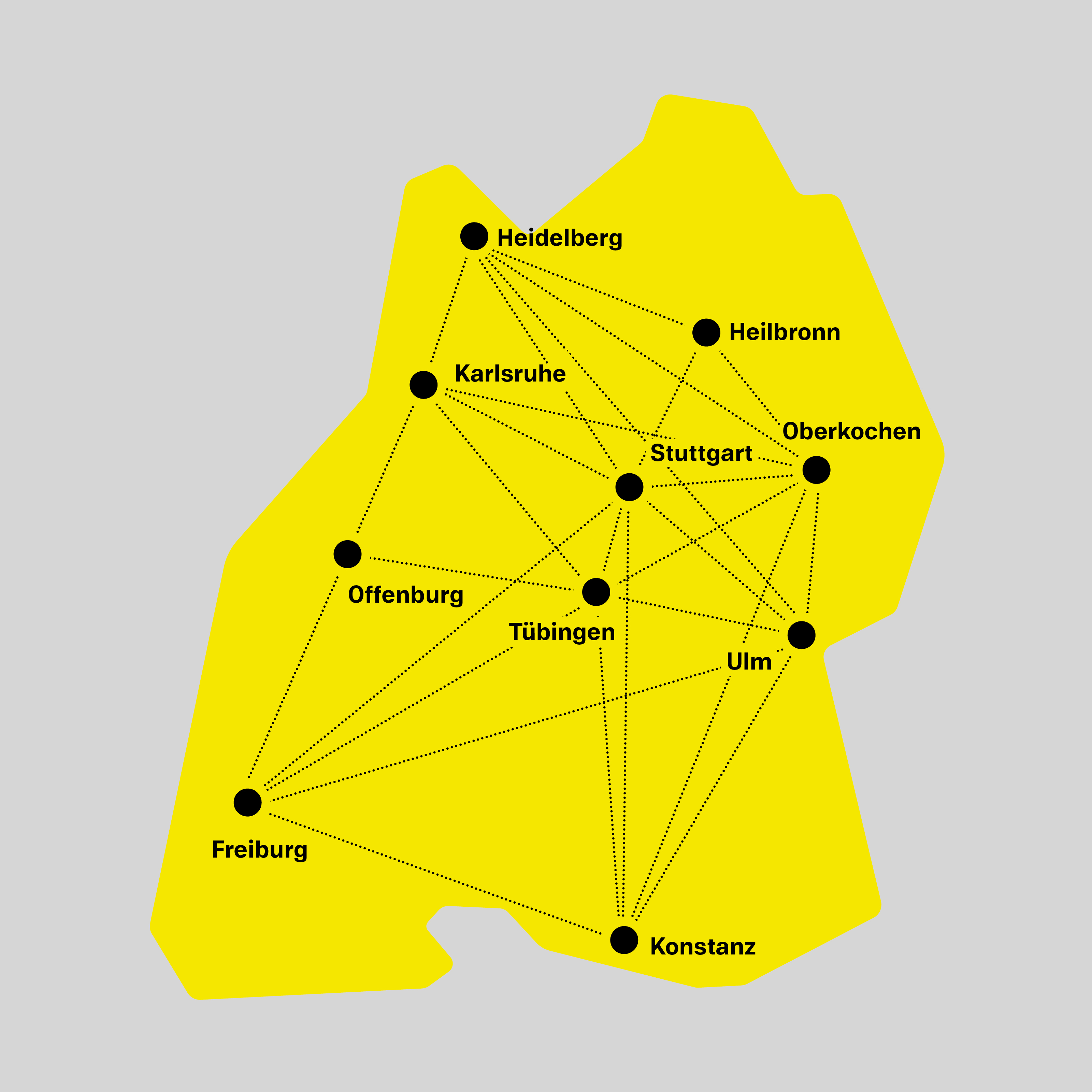
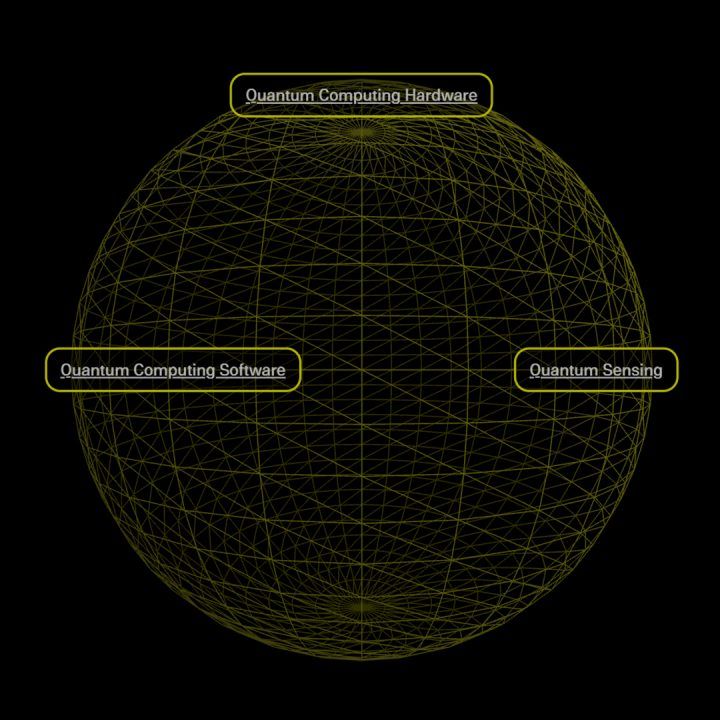
Become part of Baden-Württemberg’s quantum ecosystem
Are you working on quantum technologies in Baden-Württemberg and would like to learn more about the QuantumBW initiative? Would you like to become part of the QuantumBW initiative and sign a Letter of Intent? Get in touch with us.
Join the Network