Academia
German Aerospace Center (DLR), Institute of Quantum Technologies
The DLR Institute of Quantum Technologies develops and tests precision instruments and future-oriented concepts for space applications. In collaboration with research institutions and industry partners, it transfers these innovations into practical use. The institute’s interdisciplinary expertise spans from theoretical fundamental research to experimental and engineering implementation.
Research
- Research, miniaturization, and demonstration of quantum sensing technologies for space applications in the fields of navigation, communication, earth observation, and security
- Compact, robust, and highly precise satellite frequency references for resilient global time synchronization
- Space-oriented quantum communication and information technologies


Activities
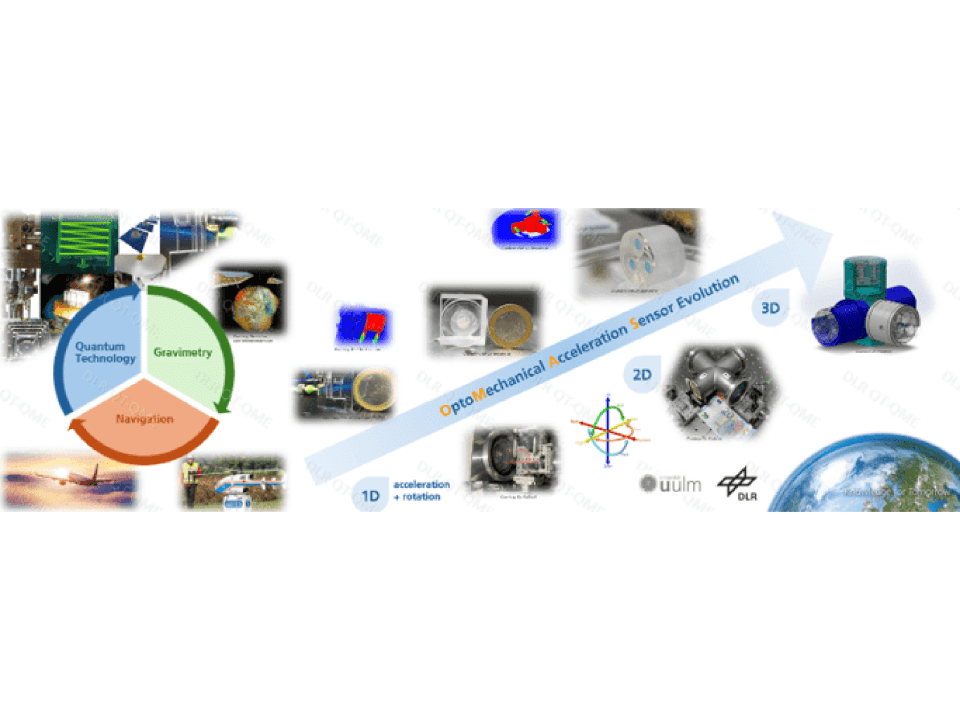
Development of optomechanical acceleration sensors (OMAS), ranging from 1D to 3D configurations, for applications in quantum technology, gravimetry, and navigation. Credit: DLR (CC BY-NC-ND 3.0)
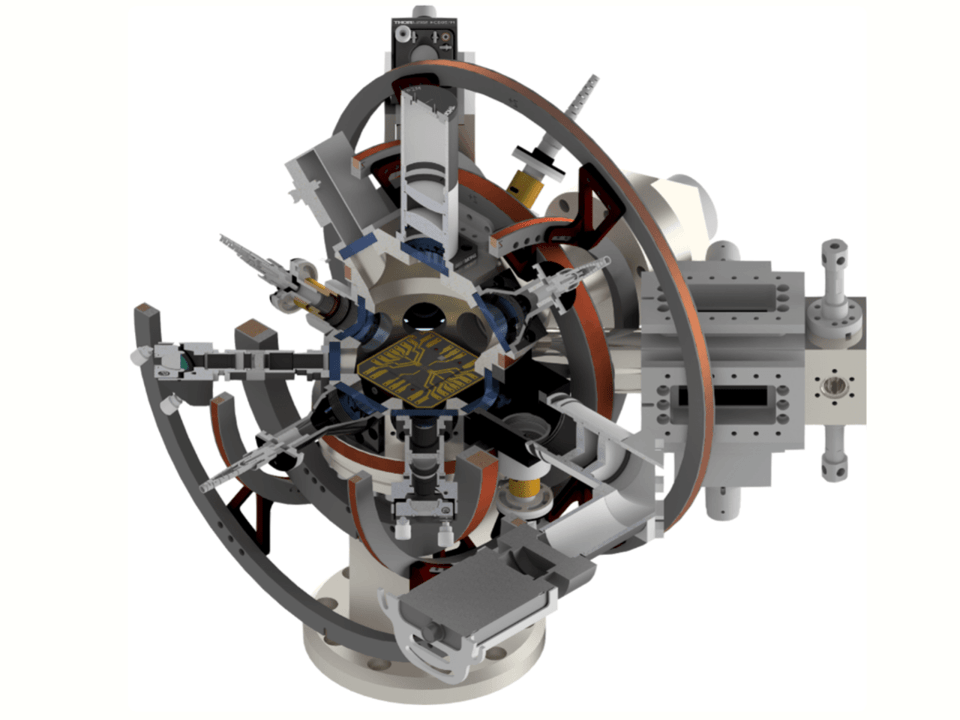
BECCAL experimental chamber with the atom chip located at the center of the vacuum chamber, surrounded by multiple coils and optical access ports for manipulating trapped cold atoms. Credit: DLR (CC BY-NC-ND 3.0) Project leadership and theoretical research for the BECCAL mission, which investigates next generation quantum sensors based on laser cooled atoms and Bose Einstein condensates aboard the International Space Station.
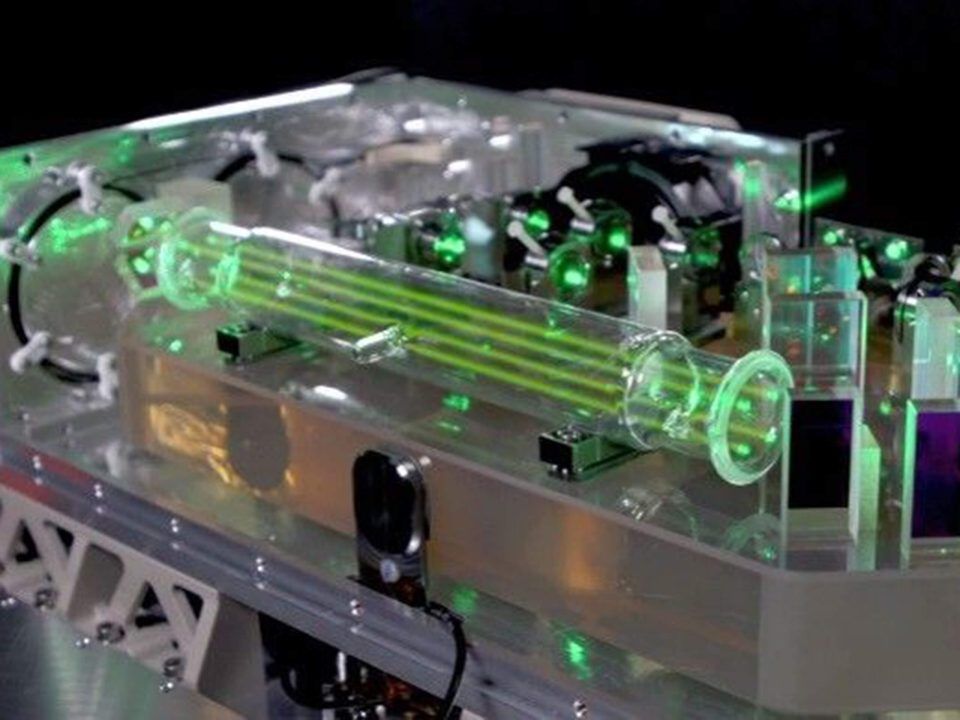
Within the COMPASSO project, DLR will test a world leading space qualified laser clock aboard the International Space Station (ISS) starting in 2027. Credit: DLR (CC BY-NC-ND 3.0)
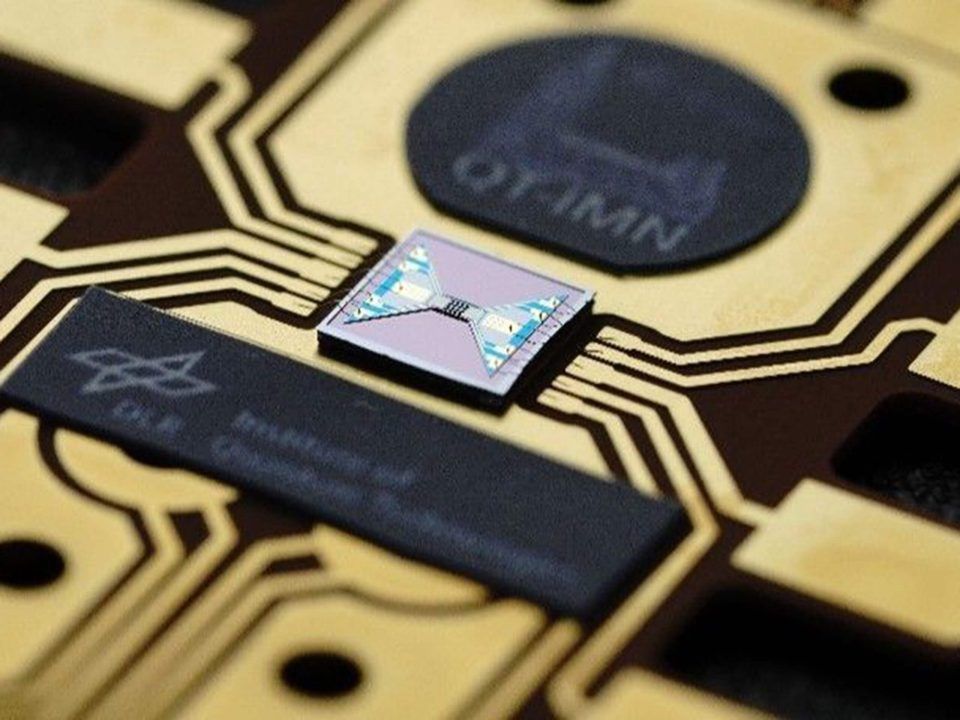
Microfabrication and process technologies for compact and scalable quantum systems, with a focus on vacuum technology and sensing. Credit: DLR (CC BY-NC-ND 3.0)
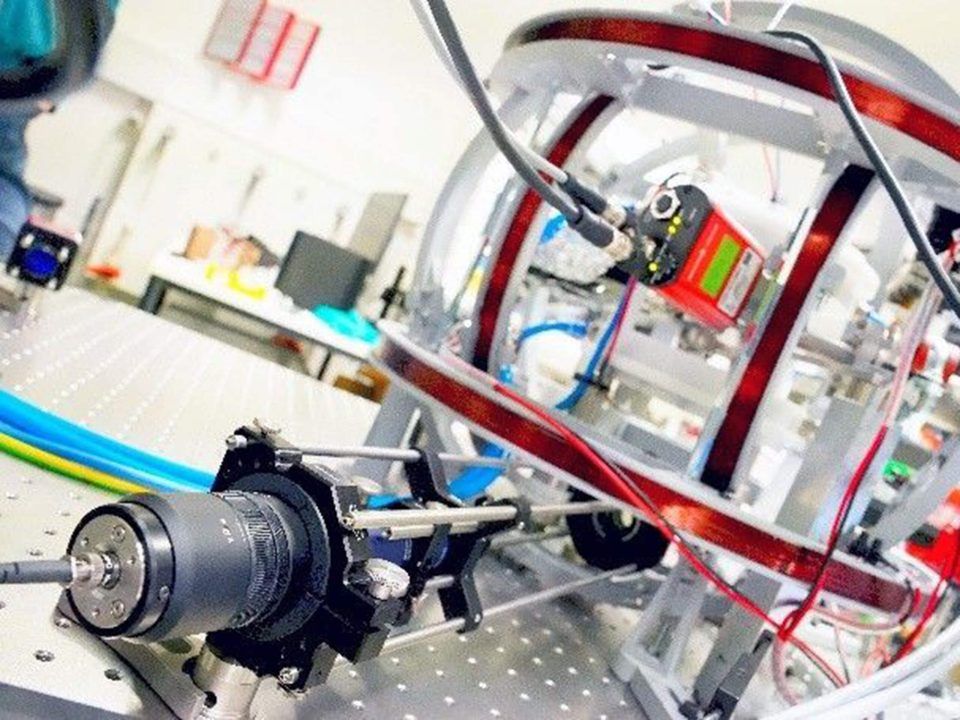
Prototype of an integrated quantum memory for advanced quantum networks in space. Credit: DLR (CC BY-NC-ND 3.0)
Discover More Content
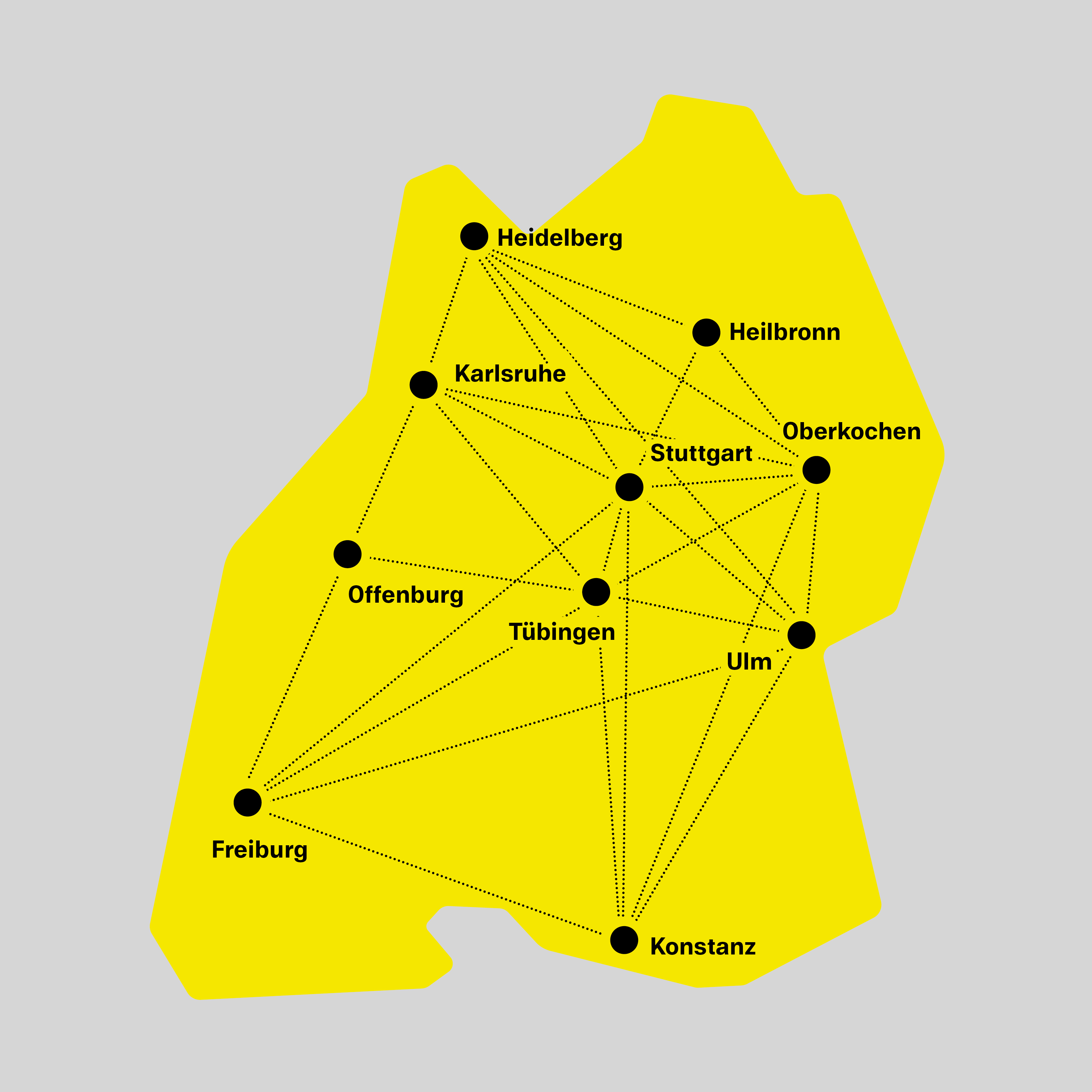
Become part of Baden-Württemberg’s quantum ecosystem
Are you working on quantum technologies in Baden-Württemberg and would like to learn more about the QuantumBW initiative? Would you like to become part of the QuantumBW initiative and sign a Letter of Intent? Get in touch with us.
Join the Network